Artificial intelligence is shaping how we learn, work, communicate and access public services. But if only some people can understand and use it, AI risks creating new barriers instead of removing old ones. For persons with disabilities, who already face many obstacles in education and employment, this risk is especially real.
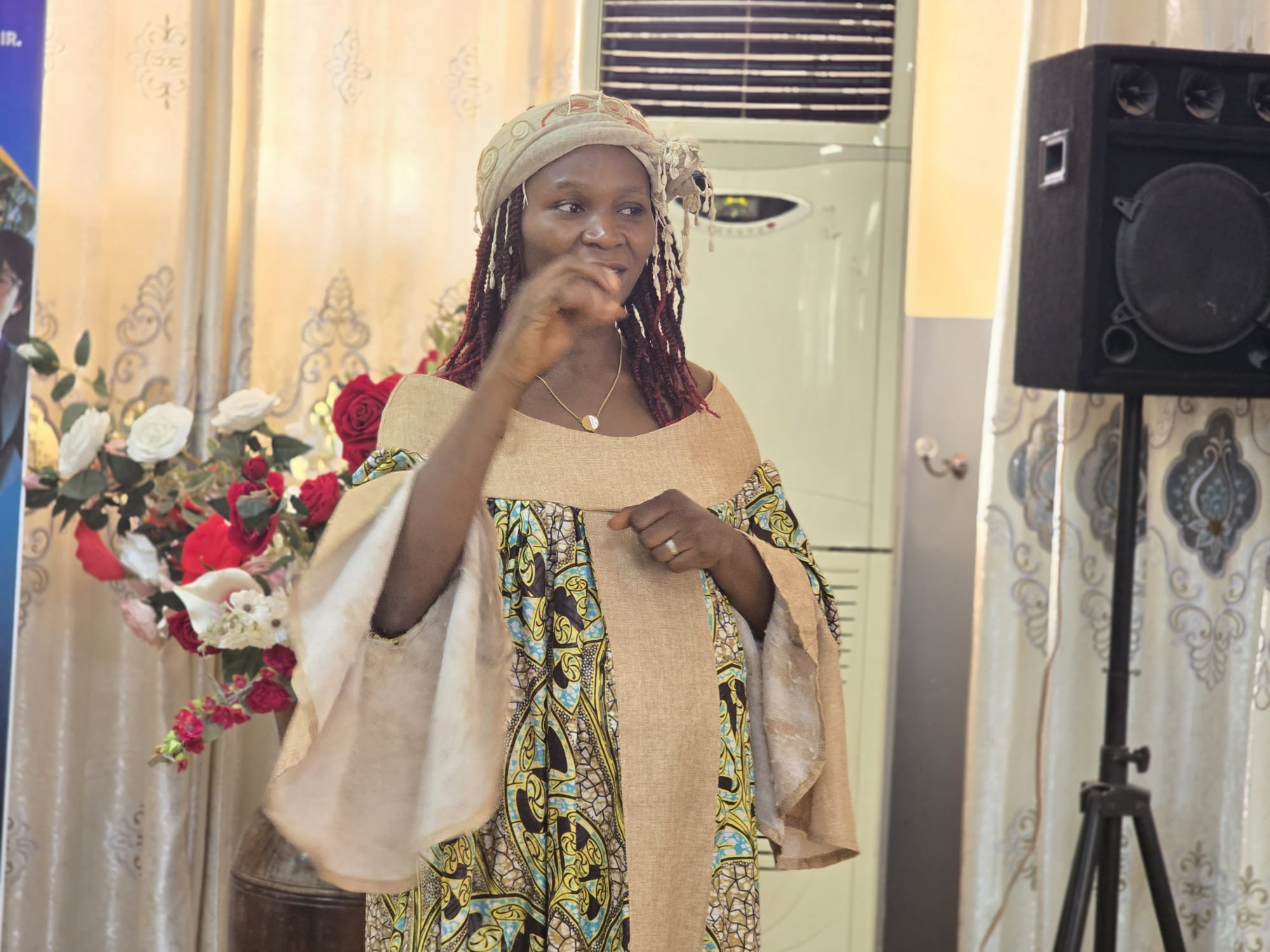
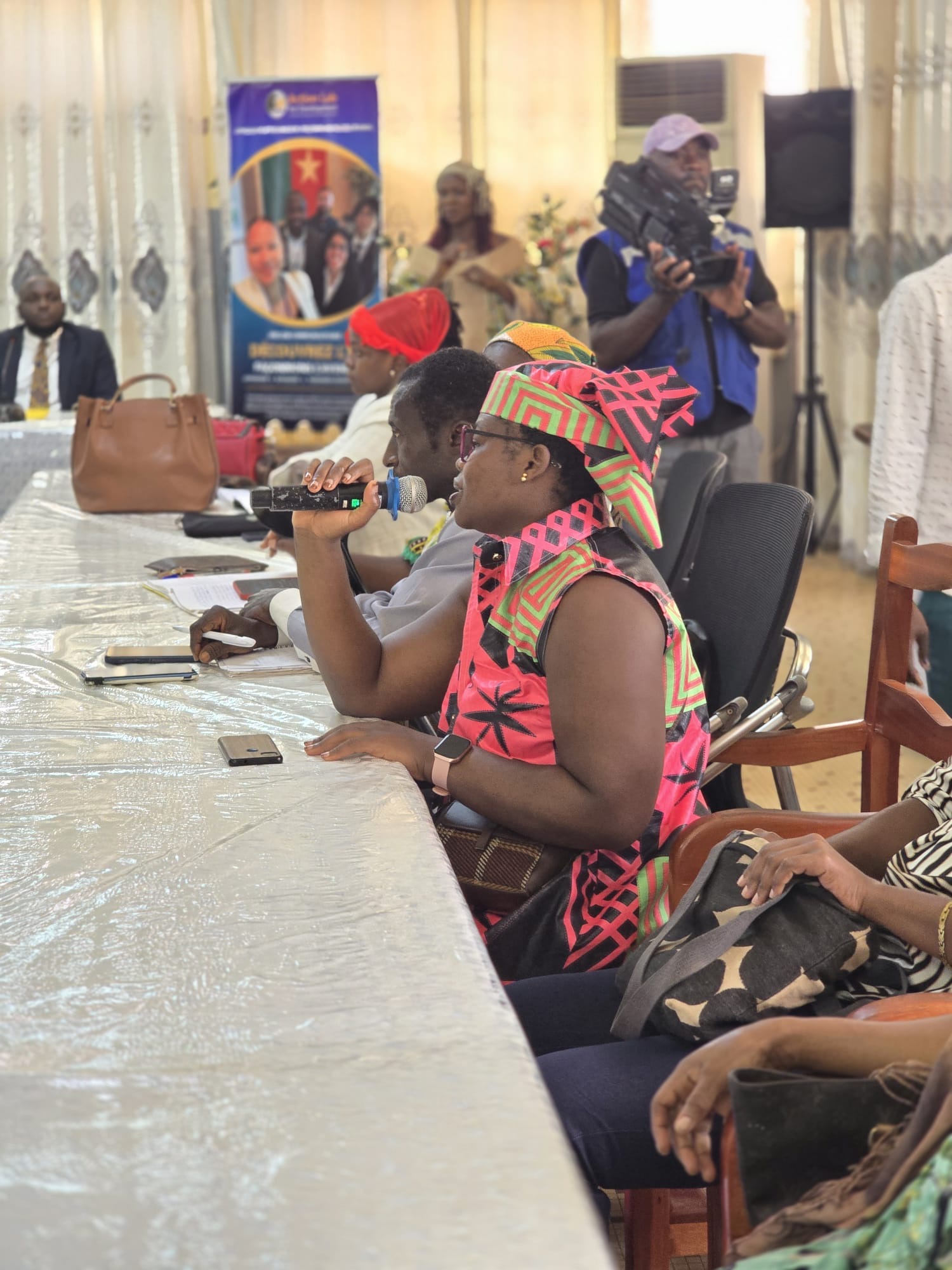
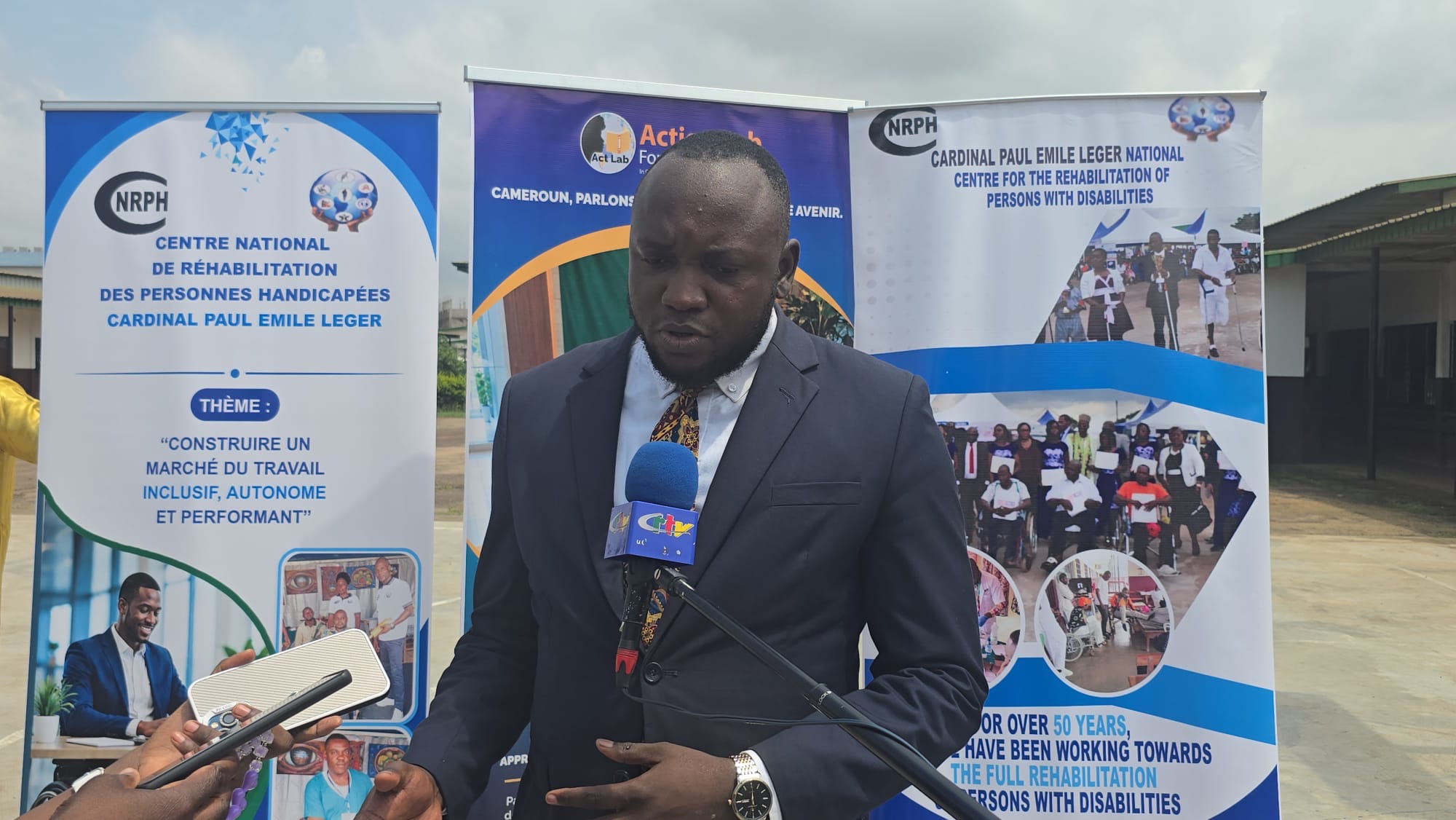
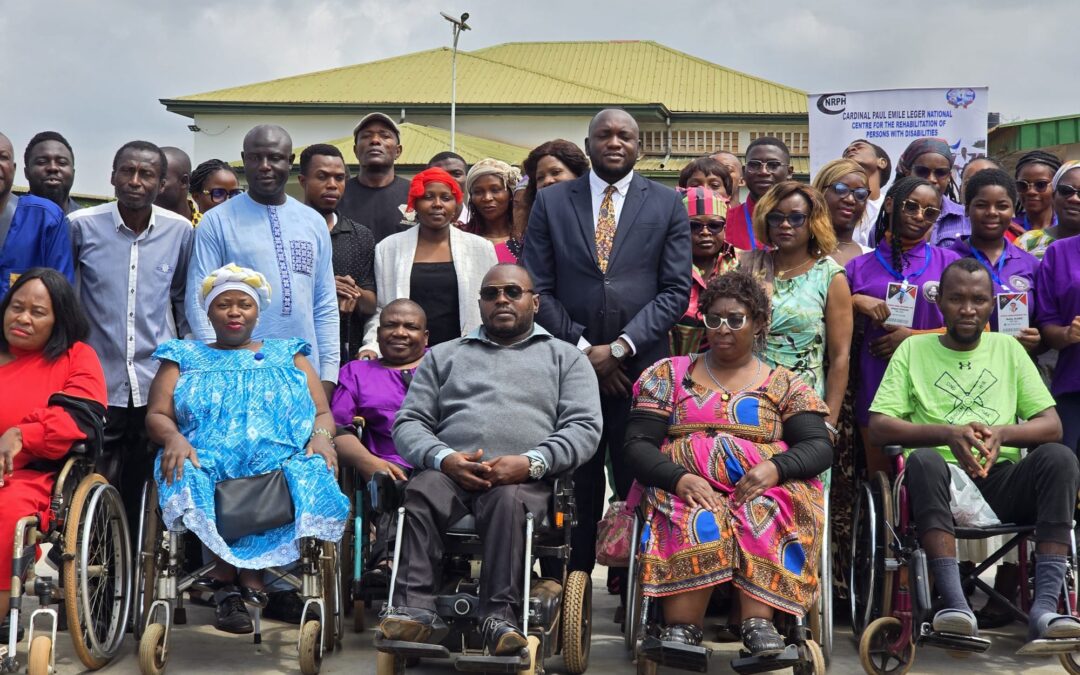
That is why, on Saturday, 7 November 2026, Action Lab for Development (ACTLAB) held an Inclusive AI and Digital Rights Workshop (Atelier sur l’IA inclusive et les droits numériques) at the Cardinal Paul Émile Léger National Centre for the Rehabilitation of Persons with Disabilities (CNRPH) in Yaoundé.
Taking the workshop to where people are
In Cameroon, many venues are still not accessible to persons with disabilities. Instead of asking participants to come to spaces that were not designed for them, we decided to take the workshop to them.
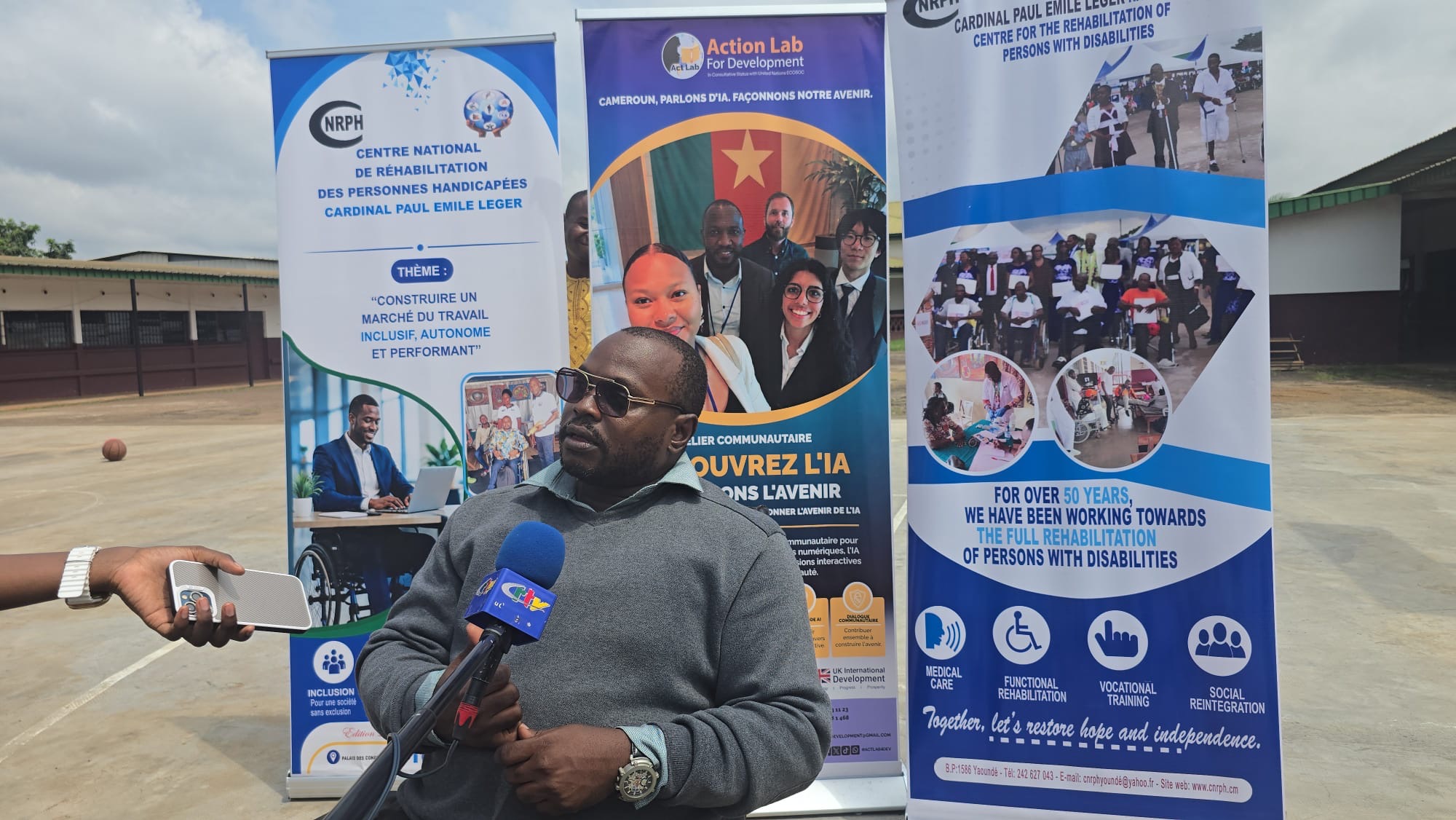
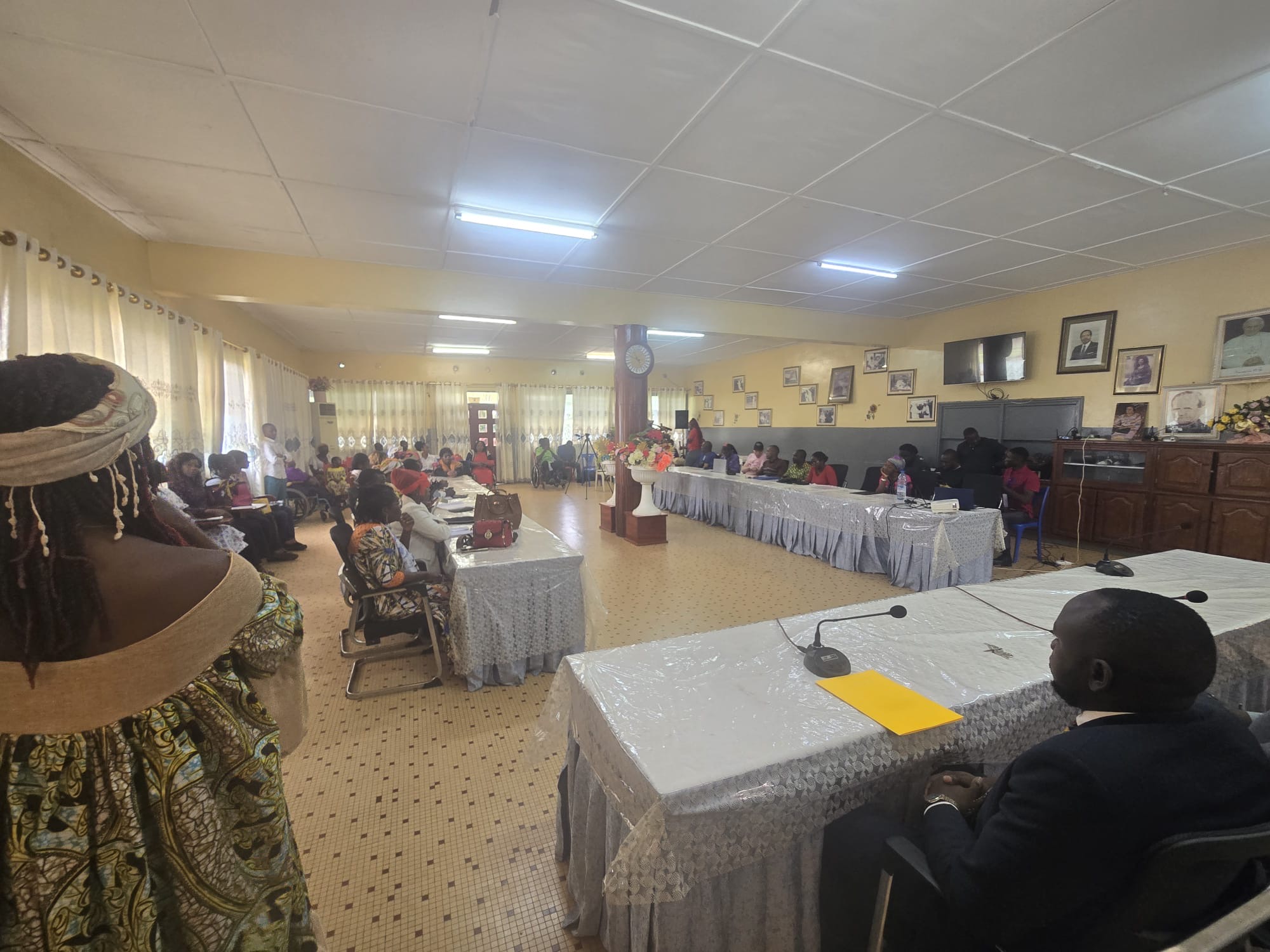
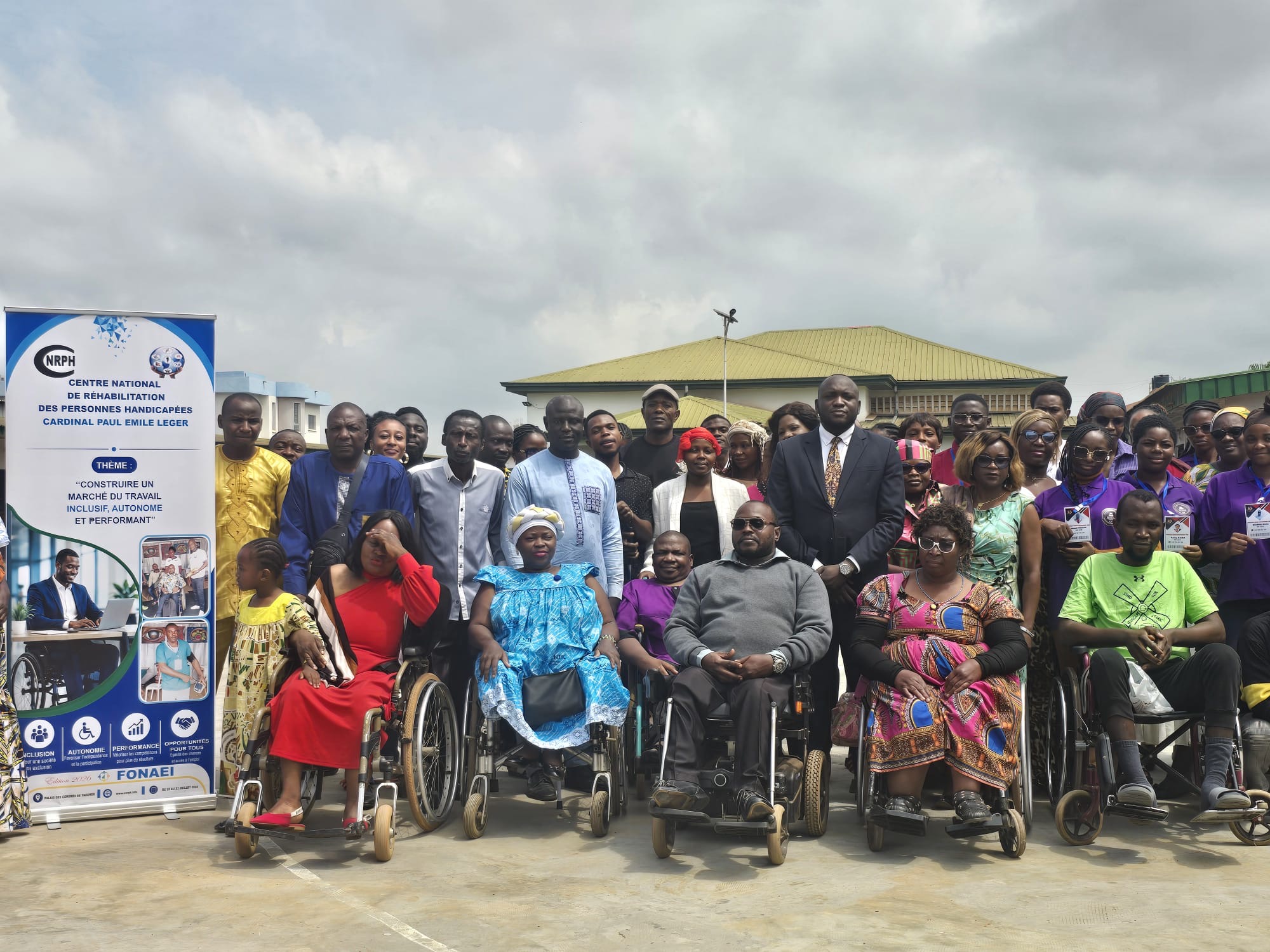
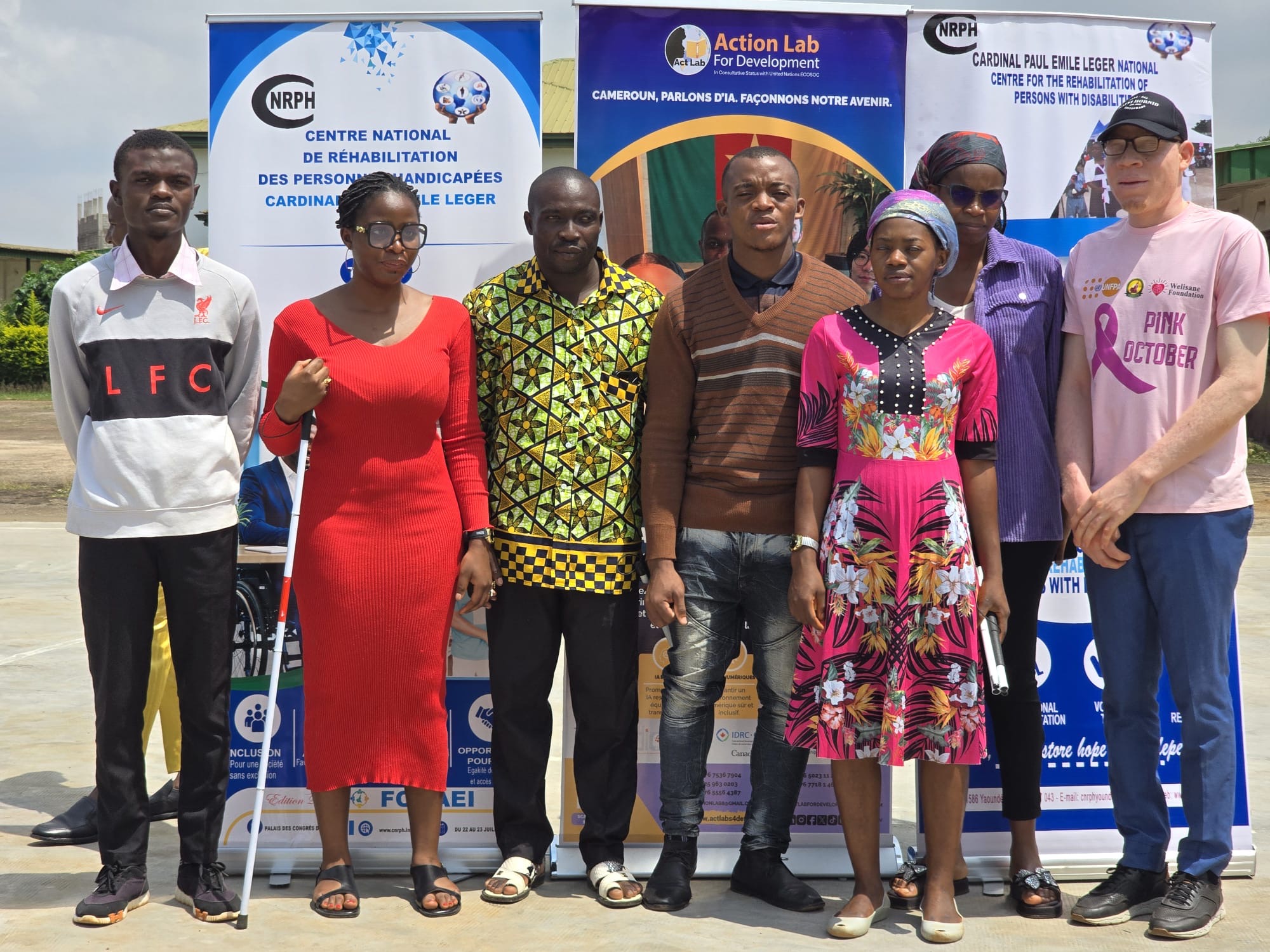
The CNRPH welcomed this idea and became an institutional partner of the project. The Centre offered its conference hall free of charge and its teams helped select and welcome the participants. Around 50 participants took part in the workshop.
To make sure that no one was left behind, the workshop was delivered with French Sign Language interpretation by a professional interpreter, so that deaf and hard-of-hearing participants could follow, ask questions and share their views like everyone else.
Participants explored what artificial intelligence is, how it is already present in everyday life, and what it means for their rights in the digital world, from access to information to the protection of personal data. They also discussed how AI tools can support learning, communication and independence, and how they can be used in a safe, responsible and ethical way.
The workshop was also broadcast by CRTV, Cameroon’s national television, helping the message of inclusive AI reach audiences across the country.
Part of a growing series of workshops in Cameroon
This workshop is part of ACTLAB’s AI Literacy, Community Voice and Responsible AI Governance Initiative, supported through NIYEL‘s IDIA programme (Cohort 2), with support from the International Development Research Centre (IDRC), Canada, and UK International Development.
The series began in October in Nkambe, in the North-West Region, and continued with our first workshops in Yaoundé. It then reached the Yaoundé V City Council, with which ACTLAB has signed an institutional partnership. The Council hosted a workshop at the Centre de Promotion de la Femme et de la Famille, which was also broadcast on CRTV.
The journey continues. The City Council of Yaoundé has promised support to take the workshops to other municipalities. ACTLAB has also been invited to bring a stand to La Foire de la Jeunesse de Yaoundé (the Yaoundé Youth Fair) in December to train young people on AI. The series will end with a national AI consultation in Yaoundé, where government ministers and stakeholders of Cameroon’s AI Strategy will be invited.
Inclusion at the heart of ACTLAB: equity and equal opportunities
At ACTLAB, inclusion is not an extra activity. It is the foundation of everything we do.
We often talk about equality: everyone should have the same rights and the same opportunities to learn, work and take part in society. But equal opportunities do not happen by themselves. This is where equity matters. Equity means recognising that people start from different places and face different barriers, and giving each person the support they need to take part fully.
The workshop at the CNRPH shows what this means in practice:
- Equal rights: persons with disabilities have the same right as everyone else to understand AI and to have a voice in how it is used.
- Equitable support: an accessible venue and sign language interpretation turned that right into a real opportunity.
- Real participation: participants were not only listeners, but contributors whose questions and ideas will help shape the national conversation on AI.
This approach reflects the Convention on the Rights of Persons with Disabilities and the promise of the 2030 Agenda for Sustainable Development to leave no one behind. Technology can either open doors or close them. We want to make sure it opens them, for everyone.
Learning that opens doors: our training platform
Teaching and skills development have always been at the core of ACTLAB’s mission. Through our onsite and online learning platform, we make vocational education and training more attractive, accessible and affordable, using digital tools to reduce costs while keeping quality high.
Our training goes beyond technical skills. Participants are also coached on work ethics, professional etiquette, CV writing and job interviews, so they can turn new knowledge into real opportunities. The AI workshops build on this experience, bringing digital and AI skills to communities that are too often left out.
MoralityCode AI: technology guided by human values
Inclusive AI is also ethical AI. In December 2025, ACTLAB launched MoralityCode AI, an app that explores how artificial intelligence can be guided by human values, ethics and compassion. It encourages users to pause, reflect and critically assess AI-generated answers before acting on them.
MoralityCode AI and our workshops share the same conviction: technology should serve people, respect human dignity and leave no one behind.
Thank you to our partners
We warmly thank the CNRPH, its management and its teams for opening their doors to this workshop and for their support in welcoming the participants. Above all, we thank every participant for their energy, their questions and their trust.
Find photos from the workshops on our social media channels, and stay tuned for more news from Cameroon.
Read more stories about ACTLAB’s AI workshops in Cameroon.
Sources
- United Nations – Convention on the Rights of Persons with Disabilities
- United Nations – International Day of Persons with Disabilities
- ACTLAB – Training Courses
- ACTLAB – MoralityCode AI