We are delighted to announce that Action Lab for Development (ACTLAB) has received a grant from The Pollination Project to launch Women’s Micro-Gardens, a new community project in Bambui, near Bamenda, in Cameroon’s North-West Region.
With this support, 10 women will start their own home vegetable gardens, growing fresh, healthy food for their families and taking a first step towards greater independence.
Why micro-gardens?
In Bambui, as in many communities across Cameroon, rising food prices make fresh vegetables harder and harder to afford for low-income households. Women usually carry the responsibility of feeding their families, but they often lack the resources to improve what ends up on the plate.
The idea for this project came from listening to the women ACTLAB works with. Many told us how rising prices affect their children, and how they wished they could grow even a little food at home. A simple starter kit and some practical training can make that possible.
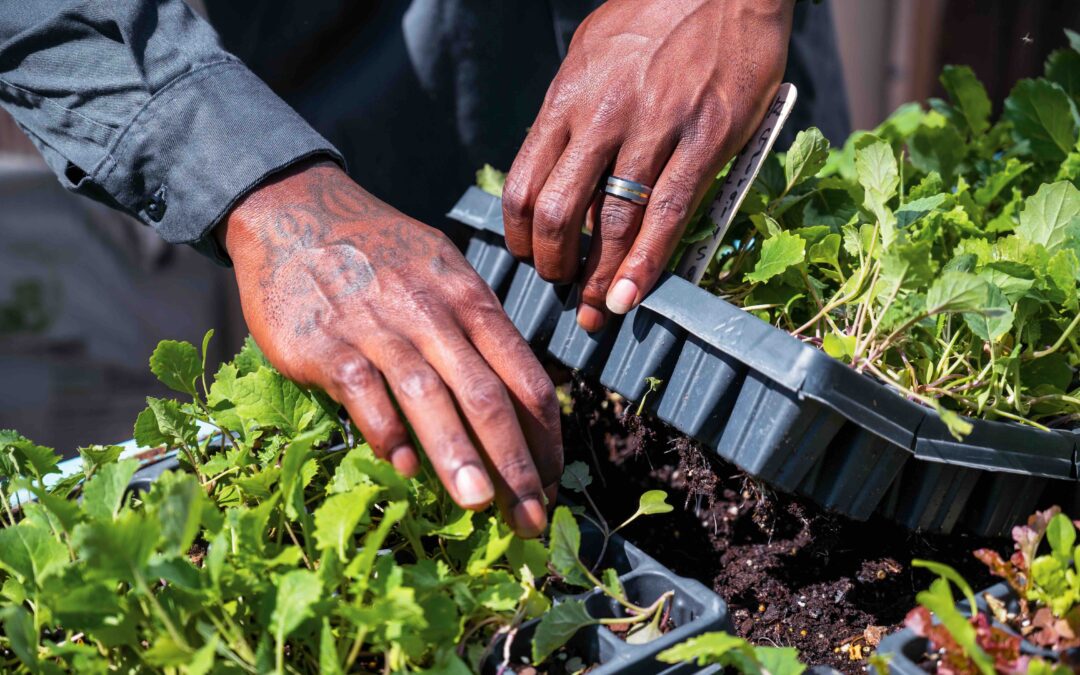
Micro-gardens are small, low-cost and easy to start, even with very little space. They can be set up in a backyard, around the house or in bags and containers. And they bring results quickly: within 6 to 8 weeks, families can begin harvesting their first vegetables.
What the project will do
Over three months, the 10 participating women will receive:
- Starter garden kits with seeds, soil bags, compost, hand tools and watering cans
- Hands-on gardening training on soil preparation, planting, watering and natural pest control
- Nutrition education, showing how to use their garden produce in healthy daily meals
- Peer support groups, where women can share their progress, solve problems together and encourage each other
The project will run in three phases:
- Month 1: selecting the participants and distributing the starter kits
- Month 2: gardening and nutrition training
- Month 3: peer support groups and follow-up visits
Training will take place at the Tobby Vision Computers Institute in Bambui, a long-standing ACTLAB partner, which is kindly offering its training room free of charge.
More than a garden
A vegetable garden may look like a small thing. But for a woman supporting her family, it can make a real difference:
- Better nutrition: fresh vegetables every day for her children and family
- Lower household expenses: less money spent on food means more for school fees, health and other needs
- A possible source of income: some women may be able to sell their extra produce at the local market
- Confidence and community: new skills, new friendships and a support network of other women
We also hope that the project will become a small, replicable model. As the first gardens grow, other women in the community can learn from the participants and start their own gardens using locally available materials.
We will follow the project closely through short surveys, follow-up conversations and before-and-after photos of the gardens, and we look forward to sharing the results with you.
Investing in women, investing in communities
This news comes as the world marks the International Day for the Elimination of Violence against Women on 25 November and the 16 Days of Activism that follow. Supporting women’s economic independence is one of the ways communities can help women gain more choices, more security and more control over their own lives.
At ACTLAB, women’s empowerment is a thread that runs through all our work, from our training programmes and support for entrepreneurs to our advocacy at the United Nations, where we call for women’s equal access to credit, skills and digital training.
Contributing to the Sustainable Development Goals
As always, ACTLAB’s work is guided by the United Nations 2030 Agenda for Sustainable Development and its 17 Sustainable Development Goals (SDGs). Women’s Micro-Gardens contributes directly to several of them:
- SDG 2 – Zero Hunger: improving food security and nutrition for families in Bambui
- SDG 5 – Gender Equality: empowering women with skills, resources and a support network
- SDG 1 – No Poverty: reducing household expenses and creating opportunities for extra income
- SDG 3 – Good Health and Well-being: promoting healthy diets through nutrition education
- SDG 17 – Partnerships for the Goals: bringing together The Pollination Project, the Tobby Vision Computers Institute, ACTLAB and the local community
Small projects like this one show that the SDGs are not only global targets. They become real in a backyard in Bambui, in a family meal and in a woman’s growing confidence.
Want to support projects like this one? Make a donation here.
Sources
- The Pollination Project
- United Nations – The 17 Sustainable Development Goals
- United Nations – International Day for the Elimination of Violence against Women