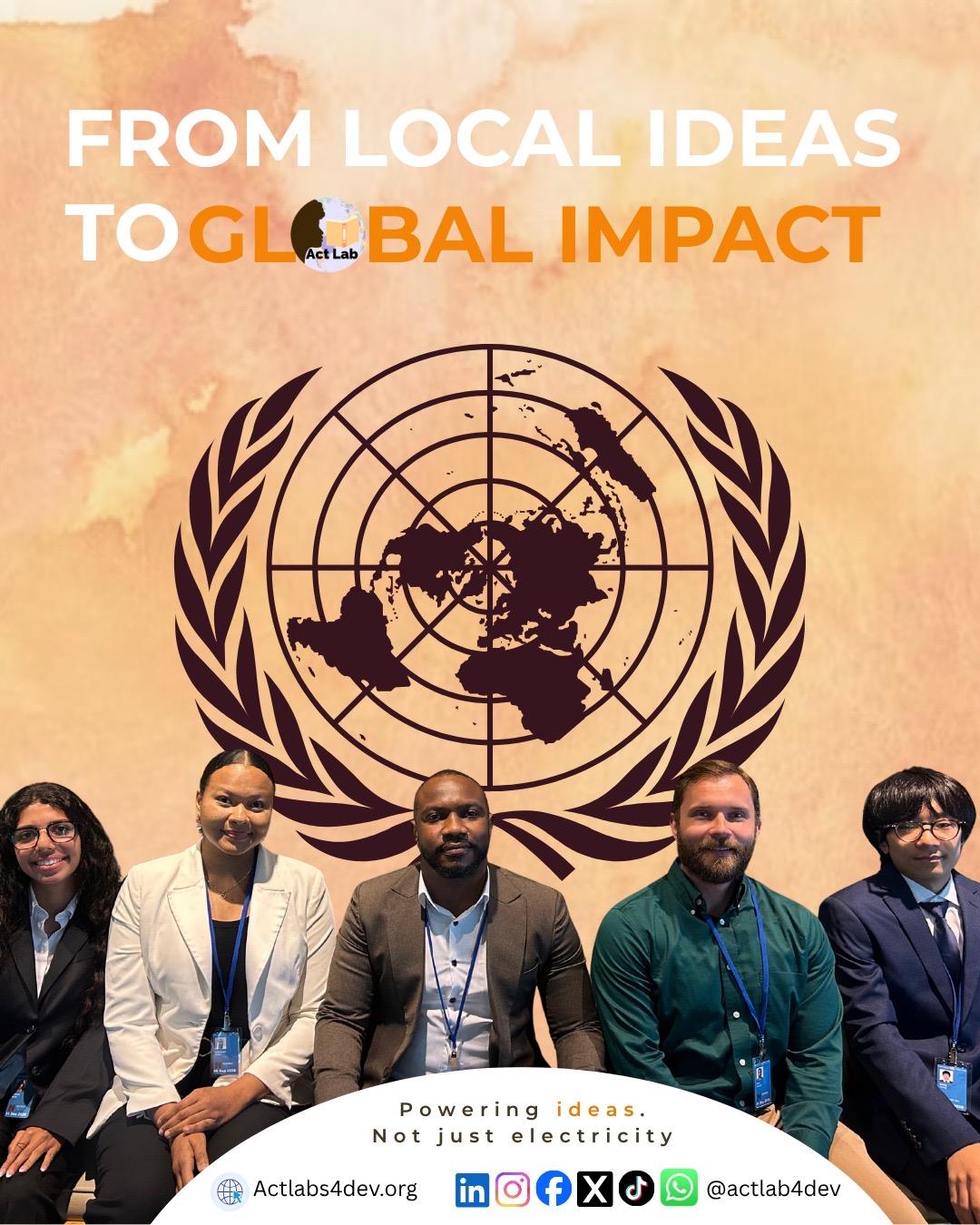
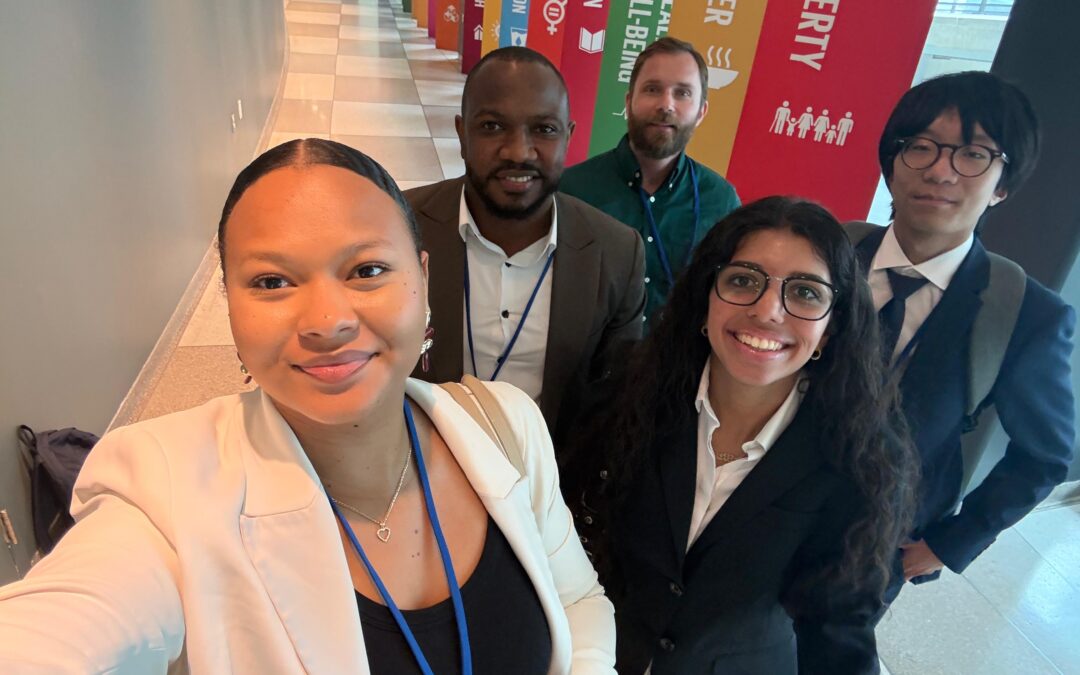
The first week of the 2026 High-level Political Forum on Sustainable Development (HLPF) has been an inspiring start for the Action Lab for Development (ACT LAB) delegation at the United Nations Headquarters in New York. Bringing together governments, UN agencies, civil society, youth representatives, academia and the private sector, the Forum serves as the UN’s central platform for reviewing progress towards the 2030 Agenda for Sustainable Development.
This year’s Forum is held under the theme:
“Transformative, equitable, innovative and coordinated actions for the 2030 Agenda for Sustainable Development and its Sustainable Development Goals for a sustainable future for all.”
Before the thematic discussions began, the opening sessions of HLPF 2026 focused on one of the key ingredients for achieving the Sustainable Development Goals: partnerships. Speakers emphasized that no single government, organisation or community can deliver the 2030 Agenda alone. Instead, meaningful progress depends on collaboration, inclusion and a shared commitment to action.
Reflecting on the opening discussions, Christian Daru, Head of the Action Lab for Development delegation, shared how closely these messages resonated with the organisation’s mission:
“The morning session was focused on strengthening alliances for the implementation of the SDGs. The panelists and delegates talked about the necessity of collaboration, motivation and inclusion. It made me think of the work we do at Action Lab. We collaborate from all over the world, we include diverse perspectives, and we’re motivated to make a difference through the work that we do.”
Throughout the opening week, our delegates attended official sessions, Voluntary National Reviews (VNRs) and side events, engaging in discussions on some of the world’s most pressing sustainable development challenges while bringing back valuable insights for our work with young changemakers.
Water, Sanitation and Sustainable Development
One of the first major discussions focused on Sustainable Development Goal 6 – Clean Water and Sanitation and its interlinkages with the other Sustainable Development Goals.
During the Voluntary National Reviews, Member States shared their progress towards the 2030 Agenda, highlighting achievements while openly discussing the challenges they continue to face. The presentations demonstrated that access to clean water and sanitation is closely connected to health, education, gender equality, climate resilience and economic development.
While progress varies across countries, one common message emerged: achieving SDG 6 requires stronger partnerships, investment and integrated solutions that leave no one behind.
Clean Energy as a Driver of Development
The Forum then shifted its attention to SDG 7 – Affordable and Clean Energy, exploring how reliable, sustainable and affordable energy supports progress across the entire 2030 Agenda.
Countries discussed their successes and setbacks in expanding renewable energy, improving energy efficiency and ensuring equitable access to modern energy services. Throughout the discussions, delegates repeatedly highlighted that the clean energy transition must also be a just and inclusive transition.
Accelerating Energy System Innovation
Our delegation also attended the HLPF side event: “Accelerating Energy System Innovation and Transition for Equity and Resilience to Advance Global Sustainable Development,” held in the ECOSOC Chamber.
The event examined clean energy innovation, resilience and international cooperation while launching the GEI Academy Interconnection Academy and new partnership agreements.
Reflecting on the session, the Action Lab for Development delegate Emery Song noted:
“Reliable and affordable energy is not only a technical issue, but also a foundation for education, small businesses, healthcare and local development.”
Another key takeaway came from the discussions on global cooperation:
“The event showed that the clean energy transition requires innovation, international cooperation and practical partnerships if we want sustainable development to benefit everyone.”
Among the many interventions, the statement from Cuba’s representative particularly resonated with our delegation by highlighting how access to energy is closely linked to development rights, equity and meeting people’s basic needs.
For Action Lab for Development, these conversations reinforced that youth empowerment, entrepreneurship and digital inclusion all depend on communities having reliable and affordable access to energy.
Hope and Leadership in Action
One of the most memorable moments of the week came during Burkina Faso’s Voluntary National Review.
Despite the significant challenges facing the country, the presentation focused on progress, resilience and optimism for the future.
Our delegate Amina Oueddo reflected:
“Listening to Burkina Faso’s presentation was one of the most inspiring moments of the day. Despite the country’s many challenges, the Minister of Economy and Finance spoke with confidence about the progress they have achieved, from economic growth and improved public resources to reductions in poverty.
What stood out to me most was his unwavering belief that Burkina Faso has a brighter future ahead. His optimism reminded me that sustainable development is built not only on policies and resources, but also on hope, resilience, and the determination to keep moving forward. It left me feeling encouraged that meaningful change is possible when leaders remain committed to their people and their vision for the future.”
Amina’s reflections capture one of the defining strengths of the High-level Political Forum: while countries present data and policy commitments, they also share stories of determination, innovation and hope that inspire collective action.
Looking Ahead
As the Forum enters its second week, discussions will continue with reviews of:
- SDG 9 – Industry, Innovation and Infrastructure
- SDG 11 – Sustainable Cities and Communities
- SDG 17 – Partnerships for the Goals
The Ministerial Segment will also begin, bringing together ministers and senior government representatives to discuss how international cooperation can accelerate progress during the final years leading up to 2030.
The Action Lab for Development delegation will continue participating in official sessions, engaging with global partners and amplifying youth perspectives throughout the Forum.
As we continue our journey at HLPF 2026, we remain inspired by the shared commitment to building a more inclusive, sustainable and equitable future. We look forward to bringing more reflections, lessons and stories from the United Nations in the days ahead.